
Understanding gambling addiction A path to recovery and awareness
What is Gambling Addiction?
Gambling addiction, often referred to as compulsive gambling, is a behavioral disorder characterized by an uncontrollable urge to gamble despite the negative consequences. This condition can lead to severe financial difficulties, strained relationships, and emotional distress. Individuals struggling with gambling addiction often find it challenging to resist the impulse to place bets, leading them down a path of potential ruin. Unlike casual gambling, which can be enjoyed responsibly, gambling addiction can consume an individual’s life, making it imperative to recognize the signs early.
The symptoms of gambling addiction can vary significantly between individuals. Common indicators include preoccupation with gambling, lying about the extent of gambling activities, and escalating bets in an attempt to regain lost funds. Additionally, many individuals may resort to borrowing money or engaging in illegal activities to finance their gambling habits. Understanding these symptoms is essential, as they can help friends and family intervene before the situation escalates beyond control.
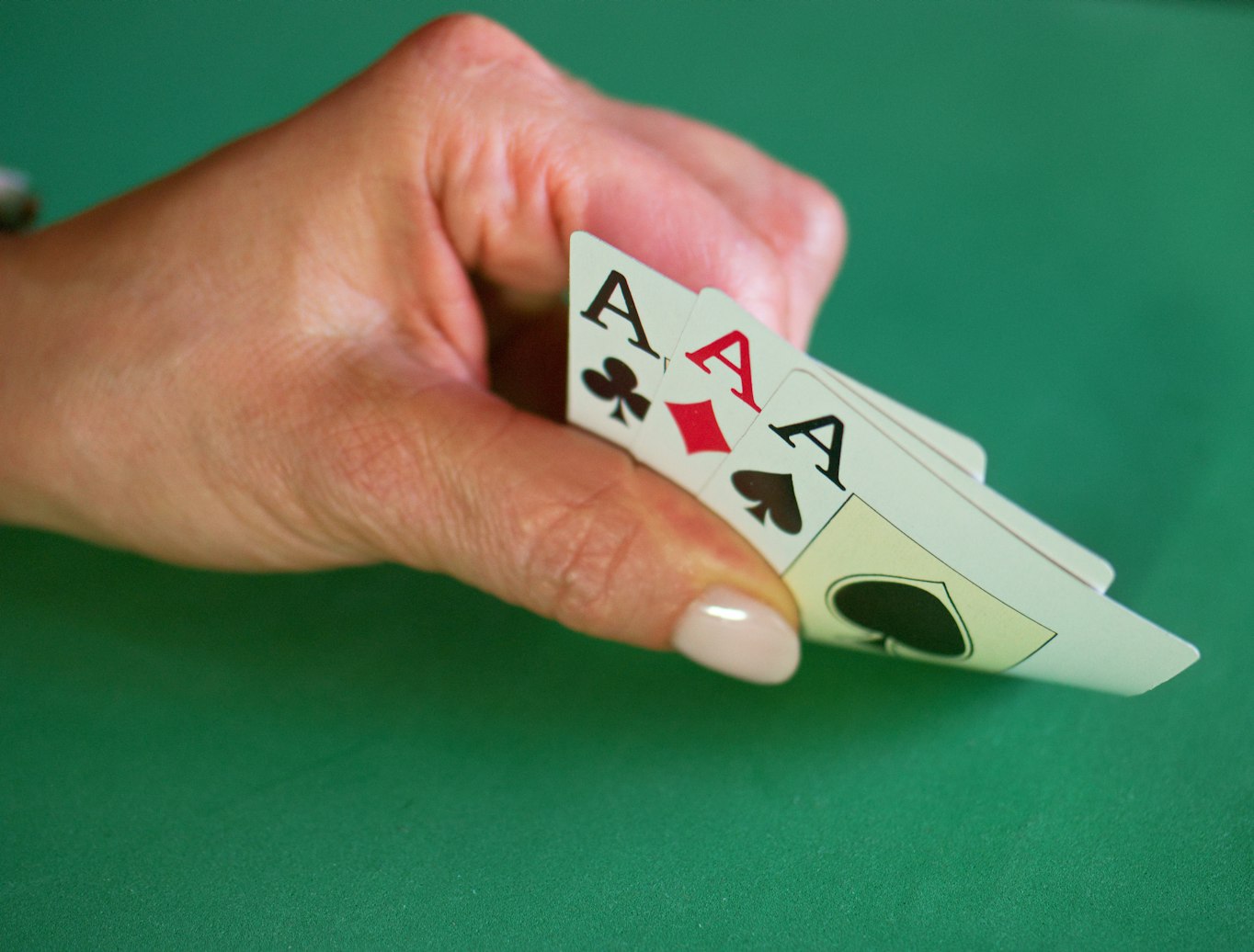
The impact of gambling addiction extends beyond the individual, affecting families and communities. Relationships often suffer due to broken trust and financial strain, which can result in emotional turmoil for all involved. It’s crucial for loved ones to recognize the signs of gambling addiction and encourage those affected to seek help, fostering a supportive environment where recovery can begin. Awareness is the first step toward overcoming this destructive cycle.
The Stages of Gambling Addiction
Gambling addiction typically progresses through several stages, each with distinct characteristics that contribute to the worsening of the condition. The first stage is often marked by occasional gambling, which may be perceived as harmless fun. Over time, as the individual becomes more engaged, they may start to experience heightened excitement and a craving for the thrill that gambling provides. This excitement can lead to increased time spent gambling, laying the groundwork for potential addiction.
As the individual advances to the second stage, their gambling behavior can escalate, becoming more frequent and risky. They may begin to chase losses, believing that a big win is just around the corner. This mindset can lead to substantial financial losses and personal turmoil. The third stage is often the most devastating, as the person finds themselves trapped in a cycle of gambling that they feel powerless to break. Emotional and psychological distress becomes pronounced, often manifesting as anxiety or depression.
Recognizing these stages is vital for both individuals and their support systems. Awareness can lead to timely intervention, preventing the addiction from reaching the most severe phase. Family members and friends should educate themselves about these stages to understand the progression of gambling addiction better and offer appropriate support. Early intervention can significantly alter the course of this destructive habit, fostering a path to recovery.
Pathways to Recovery
Recovering from gambling addiction is a complex process that often requires a multifaceted approach. One of the most effective methods is seeking professional help, which can include therapy or counseling tailored to address addictive behaviors. Cognitive-behavioral therapy (CBT) is particularly beneficial, as it helps individuals identify the thought patterns that lead to gambling. Through therapy, individuals can develop healthier coping mechanisms and strategies to deal with triggers.
Support groups, such as Gamblers Anonymous, also play a critical role in recovery. These groups provide a safe space for individuals to share their experiences and receive encouragement from others who understand the struggles of gambling addiction. Building a support network can be crucial for accountability and motivation, helping individuals stay committed to their recovery journey. Additionally, family support is vital, as loved ones can provide a strong foundation for emotional healing.
In some cases, medication may be prescribed to help manage underlying mental health conditions, such as depression or anxiety, that may contribute to gambling behaviors. Combining medication with therapy and support groups enhances the chances of successful recovery. It’s essential to remember that recovery is not a linear process; setbacks may occur, but with persistence and the right support, individuals can reclaim their lives and find joy beyond gambling.
The Importance of Awareness and Education
Raising awareness about gambling addiction is crucial in combating its prevalence in society. Education plays a significant role in helping individuals and families understand the nature of this disorder. Schools, community organizations, and healthcare providers should implement educational programs that inform people about the risks associated with gambling. By fostering open discussions about gambling and its potential dangers, communities can create a supportive environment for those affected.
Moreover, understanding the cultural factors that may contribute to gambling addiction is essential. Many societies glamorize gambling, making it seem like an exciting and harmless activity. Challenging these perceptions through awareness campaigns can help reduce stigma and encourage individuals to seek help without feeling judged. As more people become informed, the chances of early intervention and support increase significantly.
Collaborative efforts between governments, healthcare professionals, and community organizations can create comprehensive strategies to address gambling addiction. Implementing policies that promote responsible gambling and provide resources for prevention and treatment can make a substantial difference. Ultimately, a society well-versed in the realities of gambling addiction is better equipped to support those in need and foster recovery.
Golisimo Casino and Responsible Gaming
At , the commitment to responsible gaming is paramount. The platform offers a wide range of gaming options, including slots and live dealer games, ensuring a diverse entertainment experience for users. However, the casino also prioritizes the well-being of its players by providing resources and tools to promote responsible gambling practices. Users are encouraged to set limits on their playtime and expenditures, fostering a healthier gaming environment.
Moreover, recognizes the importance of awareness and education in preventing gambling addiction. The platform provides access to information about the signs of problem gambling and encourages users to seek help if they notice concerning behaviors. By promoting open dialogue about responsible gaming, aims to create a safe and enjoyable atmosphere where individuals can engage without the risk of addiction.
Ultimately, stands as a responsible gaming advocate, emphasizing that while gaming can be a source of fun and excitement, it should never come at the cost of well-being. By prioritizing player safety and promoting awareness, contributes to the collective effort to combat gambling addiction, making a positive impact on both individuals and communities.